
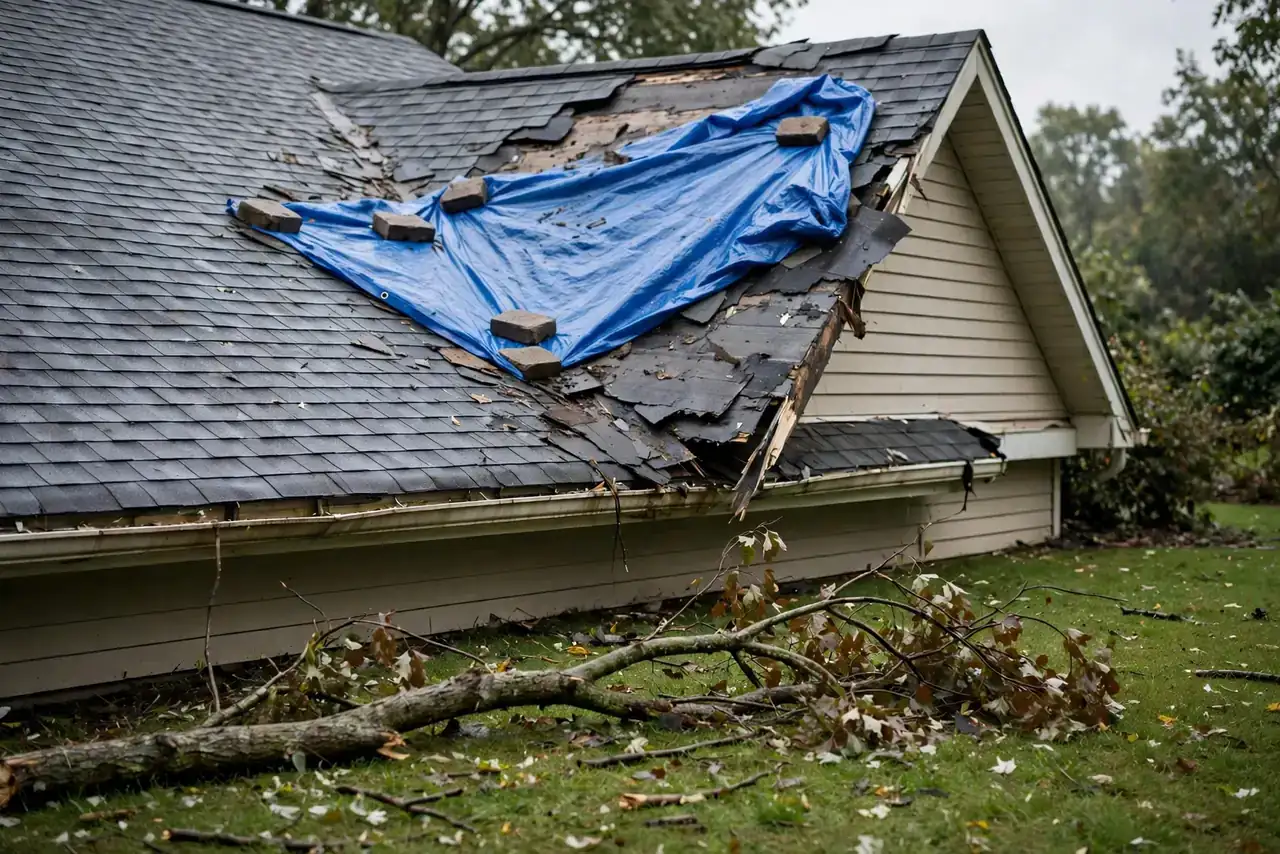
Emergency Roof Repair
Emergency Roof Repair in South Bend, IN: Call During Listed Hours
Emergency roof repair in South Bend, IN, begins with safety and with the hours plainly stated: Quality Roofing LLC answers the phone Mon–Fri 7 AM–7 PM and Sat 8 AM–8 PM, and is closed on Sunday. No after-hours process is described on this page, because none has been confirmed. What this page does give is the safety-first steps to take right away when water is coming in or a roof is damaged, and what to have ready when you call. For storm-specific guidance, see storm damage roof repair; for tracing a leak, see leak detection and repair.
Service overview
When a Roof Problem Is Urgent, and What to Do First
An urgent roof problem is one where water is actively entering, the covering is open to the weather, or debris has struck the roof. The first steps are inside the house, not on the roof: contain the water, protect belongings and electrical items, and document what happened. Climbing onto a wet or damaged roof in bad weather is how injuries happen, and it is not advised here. Call (574) 901-6308 during the listed hours, and describe what happened, where water shows, and when it started.
Outside listed hours, the steps on this page are what you can do until you can call. No response-time promise is made on this page, and no after-hours answering process is described, because neither has been confirmed. What can be done in the meantime is real work: containing water, documenting damage with photographs and dates, and keeping the area safe. The after wind damage post covers the same first steps from the homeowner side.
First steps
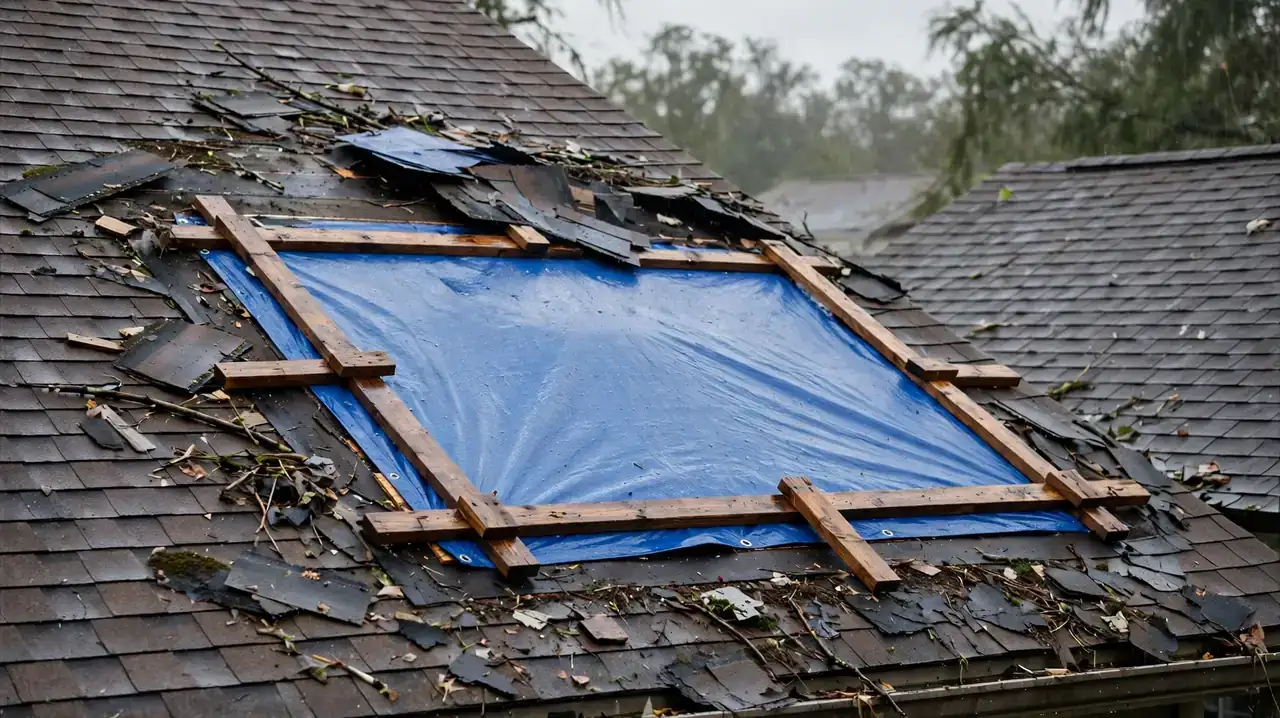
Safety First: Four Steps to Take Right Away
These steps are general safety guidance. They do not replace professional help, and they do not require climbing onto the roof.
Stay off the roof
A wet, damaged, or ice-covered roof is a fall risk, and storm conditions make it worse. Nothing on this page asks a homeowner to climb up. The useful work happens inside and at ground level.
Contain water inside
Buckets, containers, and towels under the drip keep water off floors and belongings. If a ceiling bulges with trapped water, keep clear of the area below it and treat it as a hazard, not a curiosity.
Protect belongings and electrics
Move belongings, electronics, and furnishings away from the drip. Where water is near outlets, switches, or light fixtures, avoid the area and do not handle wet electrical items.
Document before cleanup
Photograph the damage, the water entry, and any debris, and note the date and the weather. Documentation taken before cleanup is the record a conversation with the insurer is built on; the storm damage page carries the full checklist.
How the work proceeds
How an Emergency Repair Call Proceeds
The sequence below describes a call during listed hours. Each step depends on the damage found, and nothing here promises a time or an outcome.
STEP 01
Call during listed hours
Calls are answered Mon–Fri 7 AM–7 PM and Sat 8 AM–8 PM, and the business is closed on Sunday. Describe what happened, where water shows, and when it started, so the visit can be planned around the damage.
Guidance
Emergency Roof Guidance: Safety, Water, and Records
Electrical hazards
Water and electricity do not mix. Where water is near fixtures, outlets, or panels, keep clear and avoid handling wet items. Electrical questions belong to the appropriate professional, not to a roofing visit.
A bulging ceiling
A ceiling that bulges is holding water, and the weight is a hazard. Keep people and belongings out from under it. Do not puncture it without professional guidance; the water and the framing behind it need a measured response.
Buckets and containers inside
Simple containment does real work: it limits floor and belongings damage and it shows, by where water collects, something about the path the water is taking. Note the timing as well as the place.
Attic safety
If the attic can be entered safely, a look from inside can show where water is entering and how far it has travelled. If the attic is unsafe, dark, or obstructed, leave it; the assessment can wait for the visit.
Document everything
Photographs of the damage, the debris, the water entry, and the interior effects, with dates and weather notes, form the record. Keep damaged material until it has been photographed and the record is made.
Notifying an insurer
Notifying an insurer is the policyholder's step, and the documentation on this page is what supports it. Preparation for an adjuster meeting, having records ready and questions written down, is covered on the storm damage page.
Dated local storm context
The June 23, 2019 EF2 tornado in Gulivoire Park, with winds of 115–125 mph over a 2-mile path, and the October 24, 2001 F3 tornado are the dated local reminders of storm damage here. The design wind speed for St. Joseph County is 115 mph.
Outside listed hours
If damage happens outside listed hours, the steps on this page are what you can do until you can call: contain water, protect belongings, document, and keep the area safe. No after-hours process is described here, because none has been confirmed.
When the structure is affected
Sagging, cracking, or any sign that framing may be affected is a reason to keep clear of the area and seek professional assessment before re-entering it. Structural questions are not roofing patch questions.
After the urgent step
Once water is contained and the roof is assessed, the conversation becomes the ordinary one: a written scope, permit or approval steps where they apply, and the repair or replacement decision on the roof repair and roof replacement pages.

Where emergency help fits
Emergency Situations South Bend Homeowners Describe
Storm tears shingles from the roof
Wind removes shingles and opens the field to the next rain. Contain water inside, photograph the damage and the debris, and call during listed hours. The wind damage page covers the dated wind history.
Debris strikes the roof
A branch or debris impact can puncture the covering and, in the worst case, affect framing. Keep clear of the area inside below the impact, document the damage, and describe the safety picture when you call.
A sudden ceiling leak in heavy rain
Water appears suddenly at a ceiling during rain. Contain it, photograph it, and note the timing. The leak detection page explains how the source is traced once the urgent step is handled.
Water backing up at the eaves in winter
During thaw, water can back up behind ice at the eaves and enter under the covering. The mechanism is attic warmth and refreezing; prevention is ventilation, insulation, and air sealing, covered on the roof inspection page. No removal method is described here.
South Bend context
Emergency Roof Repair Against South Bend Housing and Weather
South Bend's pre-1920 core, revival suburbs, and postwar ring all face the same urgent risks: wind that removes covering, water that enters through opened joints, and winter backup at the eaves. The dated events, the June 23, 2019 EF2 tornado and the July 20, 2023 hail, are reminders rather than predictions. Neighborhood notes below link to the River Park, Keller Park, and Howard Park–East Bank pages.
River Park
East-side stock developed primarily 1920–1960, with a substantial renter and investor presence. In rented homes, the urgent steps on this page matter for occupants as well as owners, and documentation helps both. Read the River Park roofing notes.
Keller Park
Small-lot stock of Cape Cods, bungalows, and ranches on the northwest side, often built in the 1920s to 1950s. Small houses mean water reaches living space quickly, which makes containment and documentation urgent. Read the Keller Park roofing notes.
Near Northwest
An umbrella neighborhood with a Victorian, Foursquare, and bungalow core plus post-2019 infill, where boundaries vary by source. Older flashing details and layered coverings are plausible themes. Read the Near Northwest roofing notes.
Wooded Estates
A subdivision split by Twyckenham Drive, with a plat recorded in 1946. Mature trees are part of the setting, and debris impact is a plausible urgent scenario. Read the Wooded Estates roofing notes.
Howard Park–East Bank
Downtown-adjacent riverfront stock combining older Victorians and Foursquares, 2019 townhomes, and industrial adaptive reuse. The Howard Park Historic District is National Register listed; local review status is not evidenced. Read the Howard Park–East Bank roofing notes.
The June 23, 2019 EF2 tornado
The EF2 tornado in Gulivoire Park, with winds of 115–125 mph over a 2-mile path, is the dated local wind event. A separate EF0 occurred that day. No tornado frequency figure is published, since no verified count exists.
The July 20, 2023 hail
Secondary sources report hail up to 2.5 inches in the South Bend area on July 20, 2023, with 1.5 inches at Ironwood and McKinley. Hail damage is often not visible from the ground; the hail damage page reports the events in full.
Snow load
The code design values for St. Joseph County include a 30 psf ground snow load, and the NWS snowfall normal is 64.5 inches, with a range from 39.0 inches in 2021 to 91.8 inches in 2022. Heavy snow loads the whole roof system.
Problems we solve
Urgent Roof Problems in South Bend
Each problem below starts with the safety steps above. The call comes during listed hours.
Water actively dripping inside
Contain the water, protect belongings and electrics, photograph the drip, and call during listed hours. Note when the drip started and what the weather was doing.
Shingles missing, underlayment exposed
An open field takes on water with the next rain. Photograph the gaps and the debris from the ground, keep the area inside dry, and describe the extent when you call.
A ceiling stain spreading fast
A spreading stain means water is still moving. Contain, document, and keep clear of any bulging area. The source is traced after the urgent step, on the leak detection page.
Water at a chimney or wall
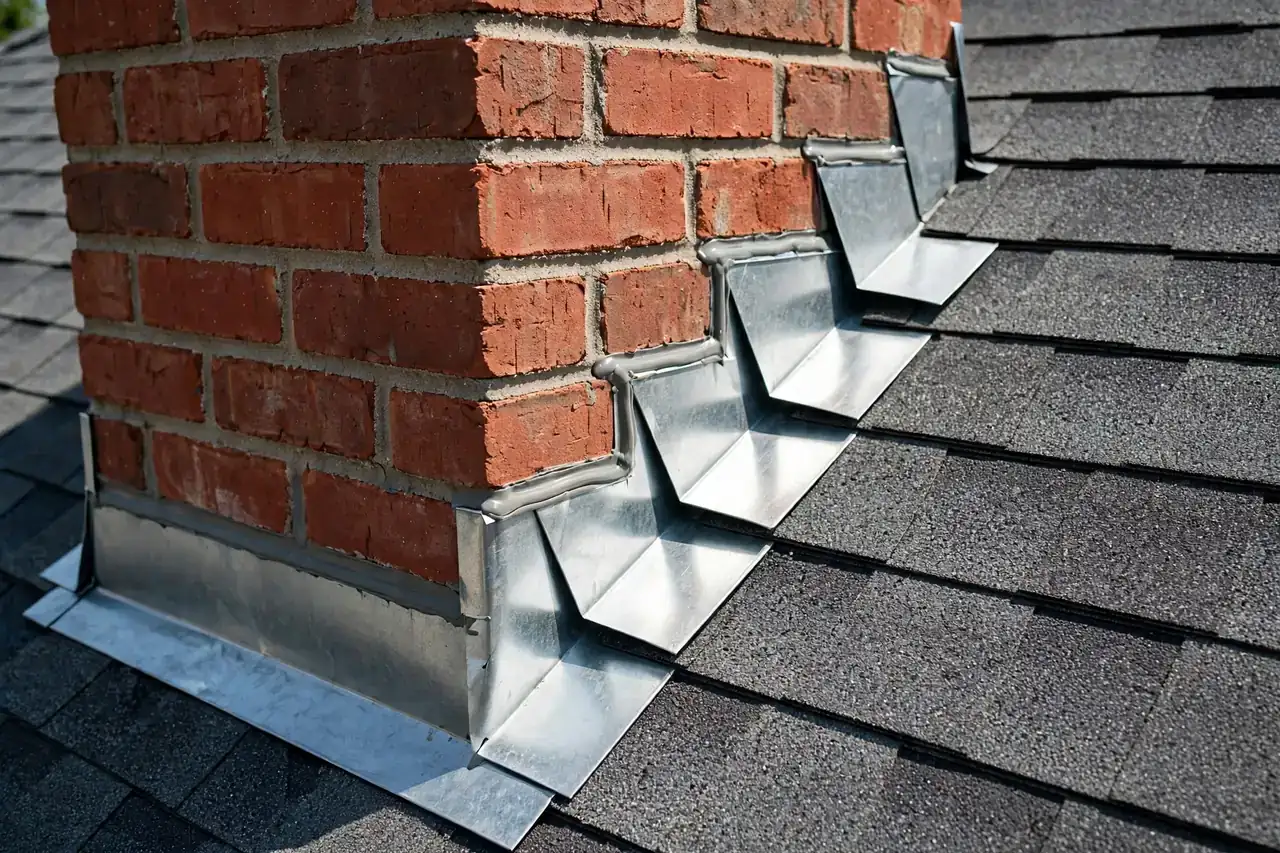
Water showing at a chimney breast or wall top often traces to flashing. Contain and document, and describe the location precisely when you call; the chimney flashing page covers the detail.
A practical standard for every visit.
Clear planningPrepared arrivalsCareful workLocal follow-through
What to expect
What to Have Ready When You Call
A call during listed hours goes further with four facts ready: the address, what happened, where water shows, and when it started. Quality Roofing LLC is a South Bend roofing contractor at 63251 Mulberry Rd, reachable by phone at (574) 901-6308, Mon–Fri 7 AM–7 PM and Sat 8 AM–8 PM, closed Sunday. The after wind damage post covers the same readiness from the homeowner side.
- The address and a callback number, stated first
- What happened: wind, debris, leak, or backup, and when it started
- Where water shows inside, and whether any area is unsafe
- Photographs and dates, taken before cleanup where possible
- The listed hours in mind: Mon–Fri 7 AM–7 PM, Sat 8 AM–8 PM, Sun Closed
Neighborhood pages
Neighborhood Pages for South Bend Roofing Notes
Downtown South BendNear NorthwestRiver ParkHoward ParkSunnymedeKeller ParkEdison ParkLincoln ParkLaSalle Park
See all neighborhood pages Notes from local customers
What South Bend Homeowners Say
The guys were able to finish the job in one day even though the short rain. They were very respectful not only to me but about my property.
I could not have asked for a better crew to redo my roof! They were kind, respectful, cleaned up everything when they finished. My roof looks awesome!
Outstanding people to work with. Great price and workmanship. Clean up was exceptional, very professional company.
Before the visit
Emergency Roof Repair Questions South Bend Homeowners Ask
Still wondering?(574) 901-6308
The listed hours are Mon–Fri 7 AM–7 PM and Sat 8 AM–8 PM, and the business is closed on Sunday. No after-hours answering process is described on this page, because none has been confirmed. Outside listed hours, the safety and documentation steps on this page are what you can do until you can call.
Stay off the roof. Contain the water inside with buckets or containers, move belongings and electronics away from the drip, avoid wet electrical items, and photograph the damage and the dates it appeared. Keep clear of any ceiling that bulges with trapped water.
No. A wet, damaged, or ice-covered roof is a fall risk, and storm conditions make it worse. The useful work happens inside and at ground level: containment, protection, and documentation. Temporary protection of the roof itself is discussed on the visit.
Documentation checklists and adjuster-meeting preparation are covered on the storm damage page. The policyholder handles the claim itself, and your deductible is your responsibility under your policy. Outcomes rest with the insurer and the policy.
Keep exploring
Related Services
Listed hours, stated plainly
Emergency Roof Repair: Call During Listed Hours
Call Quality Roofing LLC at (574) 901-6308, Mon–Fri 7 AM–7 PM and Sat 8 AM–8 PM. The business is closed on Sunday. Until you can call, follow the safety and documentation steps on this page.
Start with the basics
Contact Quality Roofing LLC
Call Quality Roofing LLC at (574) 901-6308 during business hours: Mon–Fri 7 AM–7 PM, Sat 8 AM–8 PM, Sun Closed. Phone is the contact channel for this business. The office address is 63251 Mulberry Rd, South Bend, IN 46614.