
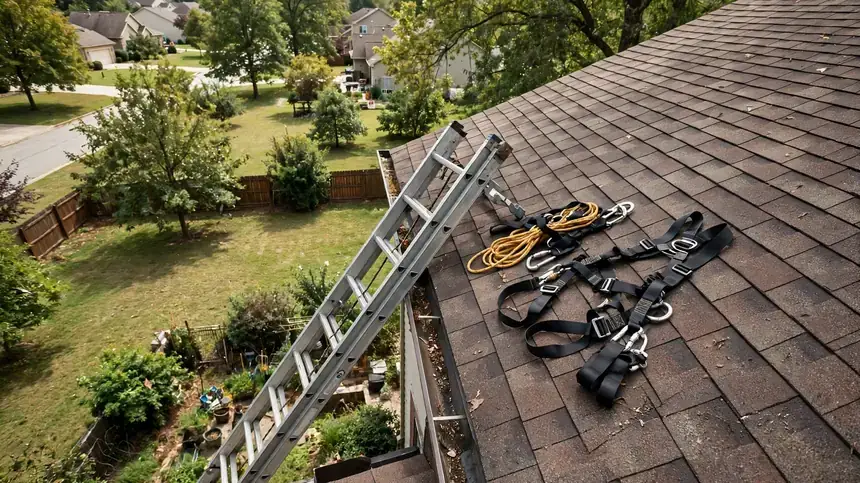
Hail Damage Roof Repair
Hail Damage Roof Repair in South Bend, IN
Hail damage roof repair in South Bend, IN, rests on dated events, reported here as secondary-sourced: hail up to 2.5 inches on July 20, 2023, with 1.5 inches at Ironwood and McKinley, and 2.75-inch hail on June 15, 2008. No merged hail-day count is published on this page, because published counts differ by radius and period and cannot honestly be combined. This page explains what hail does to roofs, how damage is documented, and what an inspection looks for. For the wider storm picture, see storm damage and wind damage. Call (574) 901-6308 during business hours.
Service overview
Hail in South Bend: What the Evidence Actually Shows
The hail record for South Bend is secondary-sourced: the national storm database was not queried directly in the research behind this site, so every hail claim here carries that label. What the secondary sources report are two events: July 20, 2023, with hail up to 2.5 inches in the South Bend area and 1.5 inches at Ironwood and McKinley, and June 15, 2008, with 2.75-inch, baseball-size hail. The hail signs post covers the visible clues from the homeowner side.
Hail-day counts were deliberately left out. Published counts of 36 days within 15 miles since 2010, 28 days within 10 miles since 2006, and 34 days countywide since 2006 measure different areas over different periods, and merging them would invent a figure that no source states. This page reports events, not a merged count. What hail does to a roof is a separate question from how often it falls, and it is answered by inspection: bruising, granule displacement, and damage to vents, flashing, and gutters, checked on the surface and in the attic together.
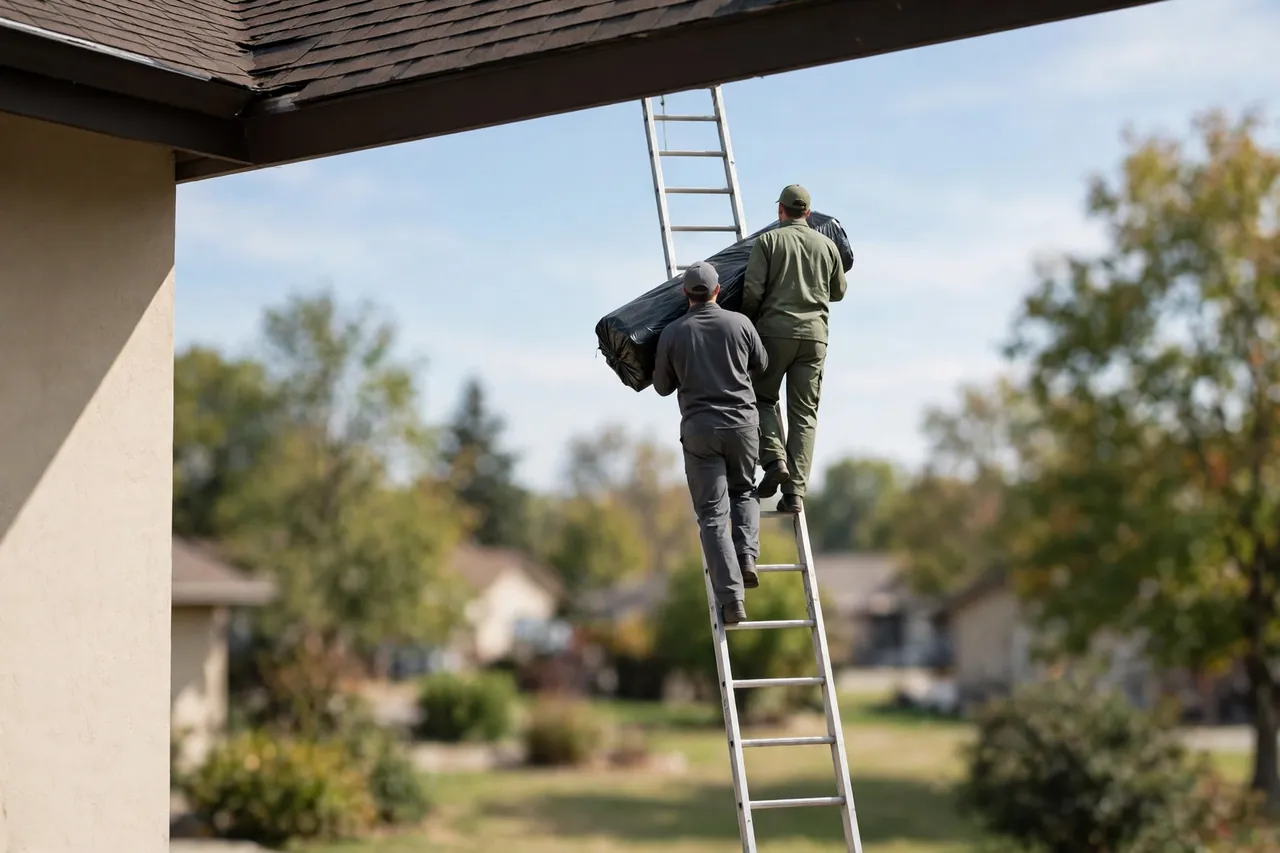
Effects
What Hail Does to a Roof
Hail damage is often invisible from the ground. The signs below are what an inspection looks for.
Bruising and granule loss
Hailstones bruise shingles and displace the granules that protect the asphalt beneath. A bruise may feel soft under hand pressure and may not show as a hole. Granule loss concentrates where stones struck repeatedly.
Dents as clues
Vents, flashing, gutters, and downspouts dent under hail, and those dents are useful clues to the size and direction of the storm. Soft metal shows what the covering may hide.
Hidden damage
A roof can take hail without leaking the next day. Damage to the covering shortens its ability to shed water over time, which is why an inspection after a dated hail event is worth considering even without a leak.
Documentation
Photographs, the storm date, and a written record of findings are the foundation of any later conversation. The storm damage page carries the documentation checklists in full.
How the work proceeds
How Hail Damage Roof Repair Proceeds, Step by Step
The sequence is documentation, inspection, scope, and then work, with no step skipped and no outcome promised.
STEP 01
Call and note the date
The storm date matters: which event, when the damage was noticed, and what was seen from the ground. That information shapes the inspection before anyone climbs up.
Hail education
Hail Events, Effects, and Documentation in Detail
July 20, 2023
Secondary sources report hail up to 2.5 inches in the South Bend area on July 20, 2023, with 1.5 inches at Ironwood and McKinley. The event is reported with its date and measurements, and with the secondary-sourced label it carries.
June 15, 2008
Secondary sources report 2.75-inch, baseball-size hail on June 15, 2008. Like the 2023 event, it is reported as a dated event from secondary sources, not as part of any combined count.
Why no merged count
Published hail-day counts differ by radius and period, and combining them would invent a figure no source states. This page reports the two dated events and states the reason plainly, rather than publishing a count that cannot be defended.
Shingle effects
Hail bruises shingles, displaces granules, and can crack covering outright at larger sizes. The effect depends on stone size, wind, and the age and condition of the covering, which is why inspection, not assumption, decides the scope.
Flashing and vent effects
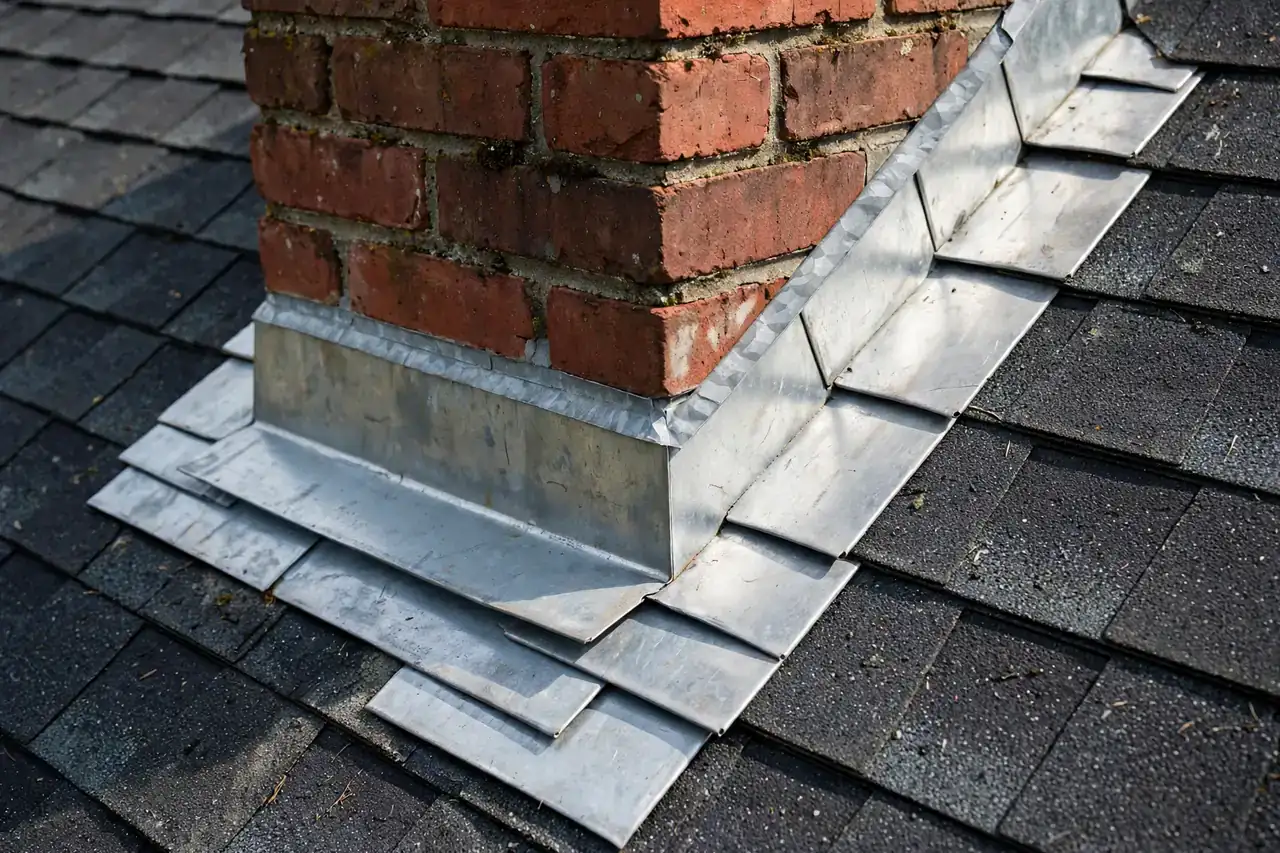
Flashing, vents, and other metal details dent under hail and can open joints that previously held. These details are checked alongside the covering, since a dented vent boot can leak even when the field looks sound.
Gutter clues
Dents in gutters and downspouts, and granules collecting in them after a storm, are visible from the ground and worth photographing. The gutter repair page covers the drainage side.
Inspection approach
An inspection after hail checks the covering, the metal details, and the attic together, slope by slope, with attention to the direction the storm came from. The roof inspection page covers the storm-inspection use case.
Documentation checklist
Photographs, the storm date, weather notes, and kept material form the record. The full checklists, including adjuster-meeting preparation, are on the storm damage page.
Insurance framing, briefly
Documentation and adjuster-meeting preparation are the help described here. Your deductible is your responsibility under your policy. Outcomes rest with the insurer and the policy.
Historic-district hail repairs
Where local designation applies, the COA comes before the building permit, and in-kind asphalt re-roofing is administratively approvable under the district standards. The approval order is confirmed at the start, not discovered later.
Wear versus impact
An inspection distinguishes wear that predates the storm from impact that followed it. Age, granule patterns, and the distribution of damage all bear on the distinction, and the finding is stated with its reasons.
Where hail repair fits
Hail Situations South Bend Homeowners Describe
Hail, and then a leak
Water appears after a dated hail event. The source is traced through the attic and the surface, and the repair addresses the joint or detail where water entered. The leak detection page explains the tracing.
Hail, and no leak
No water shows, but the storm was severe. An inspection checks for bruising and granule loss that may matter over time, and the record is made whether or not work follows.
Hail on an older roof
An older covering takes hail differently from a newer one, and wear and impact must be weighed together. The finding states what is storm-related and what is age-related, with reasons.
Hail in a historic district
Damage inside a local historic district follows the COA-before-permit sequence. The documentation is the same; the approval order differs, and it is confirmed before work is scoped.
South Bend context
Hail Damage Against South Bend Housing and Weather
South Bend's housing layers take hail differently: older core coverings with prior layers, revival-suburb dormers and valleys, and postwar ranch slopes. The two dated events, July 20, 2023, and June 15, 2008, are reported from secondary sources, and no merged count is published. Neighborhood notes below link to the Edison Park, River Park, and Sunnymede pages.
Edison Park
East-side subdivision near Edison Road and Ironwood Drive, where 1950s builds are the harder evidence in an unresolved era conflict. The July 20, 2023 hail measurement at Ironwood and McKinley sits in this part of the city. Read the Edison Park roofing notes.
River Park
East-side stock developed primarily 1920–1960, with a substantial renter and investor presence. Documentation after hail matters for owners and occupants alike. Read the River Park roofing notes.
Sunnymede
A 1920s subdivision with mixed revival and Foursquare stock, where the East Wayne Street local historic district has an active COA process. Dormer and valley joints are the forms hail finds. Read the Sunnymede roofing notes.
Wooded Estates
A subdivision split by Twyckenham Drive, with a plat recorded in 1946 and a dating tension in the evidence. Tree cover does not prevent hail damage, and the inspection checks the field regardless. Read the Wooded Estates roofing notes.
LaSalle Park
West-side stock divided by North Sheridan Street, with small Colonial Revivals, cottages, and ranches to the east and 1960s ranch and bi-level homes to the west. Read the LaSalle Park roofing notes.
The July 20, 2023 event
Secondary sources report hail up to 2.5 inches in the South Bend area, with 1.5 inches at Ironwood and McKinley. The measurement and the label travel together.
The June 15, 2008 event
Secondary sources report 2.75-inch, baseball-size hail. It is the earlier of the two dated events reported on this page.
Design wind speed
The adopted code design values list a 115 mph wind speed for St. Joseph County. Hail often arrives with wind, and the inspection checks for wind effects alongside hail effects.
Lake-effect snow
The NWS snowfall normal is 64.5 inches, with a range from 39.0 inches in 2021 to 91.8 inches in 2022. Snow and ice are the other half of the weather story here, and the roof inspection page covers ice-dam prevention.
Problems we solve
Hail Problems Assessed and Repaired in South Bend
Each problem below starts with documentation and inspection. The scope follows the findings.
Granule loss after hail
Granules collecting in gutters after a storm, with bruising on the surface, point to hail impact. The extent is weighed slope by slope before any scope is written.
Dents on vents and gutters
Dented metal details are clues to the storm's size and direction. They are photographed and checked for opened joints, since a dented boot can leak.
A leak weeks after the storm
Water appearing weeks later often traces to a joint the hail opened. The source is traced through the attic and the surface, and the joint addressed.
Uncertainty about whether to inspect
After a dated hail event, an inspection answers the question either way: damage found and recorded, or no damage found and the record made. Uncertainty is itself a reason to look.
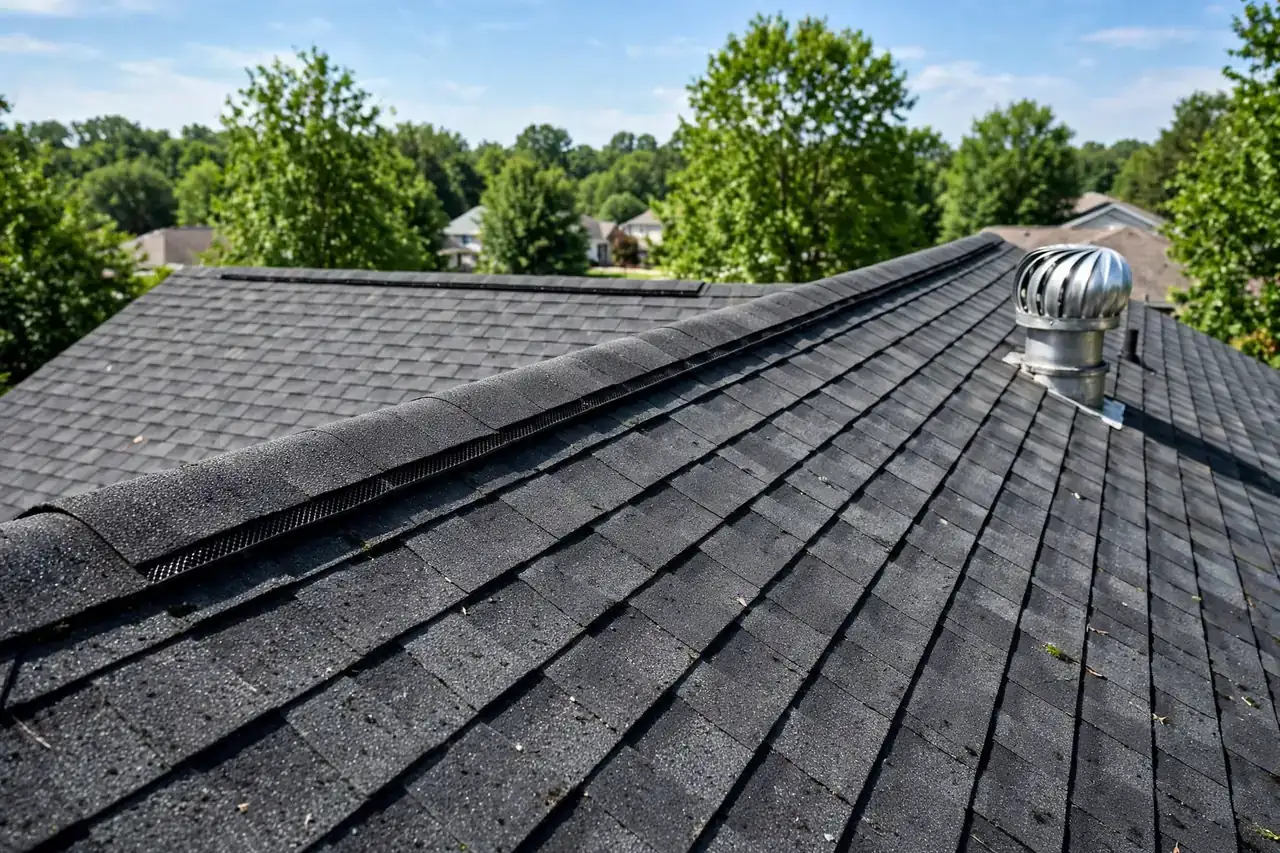

A practical standard for every visit.
Clear planningPrepared arrivalsCareful workLocal follow-through
What to expect
What a Hail Damage Conversation Covers
A hail damage conversation covers the storm date, the documentation, the inspection findings, and the scope, in that order. Quality Roofing LLC is a South Bend roofing contractor at 63251 Mulberry Rd, reachable by phone at (574) 901-6308 during listed hours. The hail signs post covers the visible clues from the homeowner side.
- The storm date and what was noticed, taken down first
- Documentation: photographs, weather notes, and kept material
- Inspection findings explained with photographs, and left in writing
- Phone contact during listed hours: Mon–Fri 7 AM–7 PM, Sat 8 AM–8 PM, Sun Closed
- A 5.0-star rating from 23 Google reviews, with excerpts and a link to the Google profile below
Neighborhood pages
Neighborhood Pages for South Bend Roofing Notes
Downtown South BendNear NorthwestRiver ParkHoward ParkSunnymedeKeller ParkEdison ParkLincoln ParkLaSalle Park
See all neighborhood pages Notes from local customers
What South Bend Homeowners Say
I could not have asked for a better crew to redo my roof! They were kind, respectful, cleaned up everything when they finished. My roof looks awesome!
Quality Roofing did a great job on our roof. They showed up as promised and our roof was completed in 2 days, including tearing off the old shingles, and replacing several sheets of plywood. We are very happy with their work.
Roberto is very good at what he does. Explains everything in detail. Also actually listens to the customer and doesn't try to sell you anything that is not really necessary!
Secondary sources report hail up to 2.5 inches in the South Bend area on July 20, 2023, with 1.5 inches at Ironwood and McKinley, and 2.75-inch hail on June 15, 2008. No merged hail-day count is published, because published counts differ by radius and period and cannot honestly be combined.
By inspection. Hail bruises shingles and displaces granules, often without any visible hole from the ground, and dents on vents, flashing, and gutters are clues. An inspection checks the covering, the metal details, and the attic together, and the findings are left in writing.
Photographs of the roof from the ground, dents on gutters and vents, granules in the gutters, and any interior effects, with the storm date and weather notes. Keep damaged material until it has been photographed. Full checklists are on the storm damage page.
Your deductible is your responsibility under your policy. This page states that plainly and offers no arrangement around it. Documentation checklists and adjuster-meeting preparation are the help described here.
Keep exploring
Other Roofing Work That Pairs With Hail Repair
Call during business hours
Talk About Hail Damage in South Bend
Call Quality Roofing LLC at (574) 901-6308 during listed hours: Mon–Fri 7 AM–7 PM, Sat 8 AM–8 PM, Sun Closed. Note the storm date and what was noticed, and the conversation starts from the documentation.
Start with the basics
Contact Quality Roofing LLC
Call Quality Roofing LLC at (574) 901-6308 during business hours: Mon–Fri 7 AM–7 PM, Sat 8 AM–8 PM, Sun Closed. Phone is the contact channel for this business. The office address is 63251 Mulberry Rd, South Bend, IN 46614.